Photo Essays

In-depth visual narratives from Pakistan, pairing sustained fieldwork with context for editors, readers, and researchers.
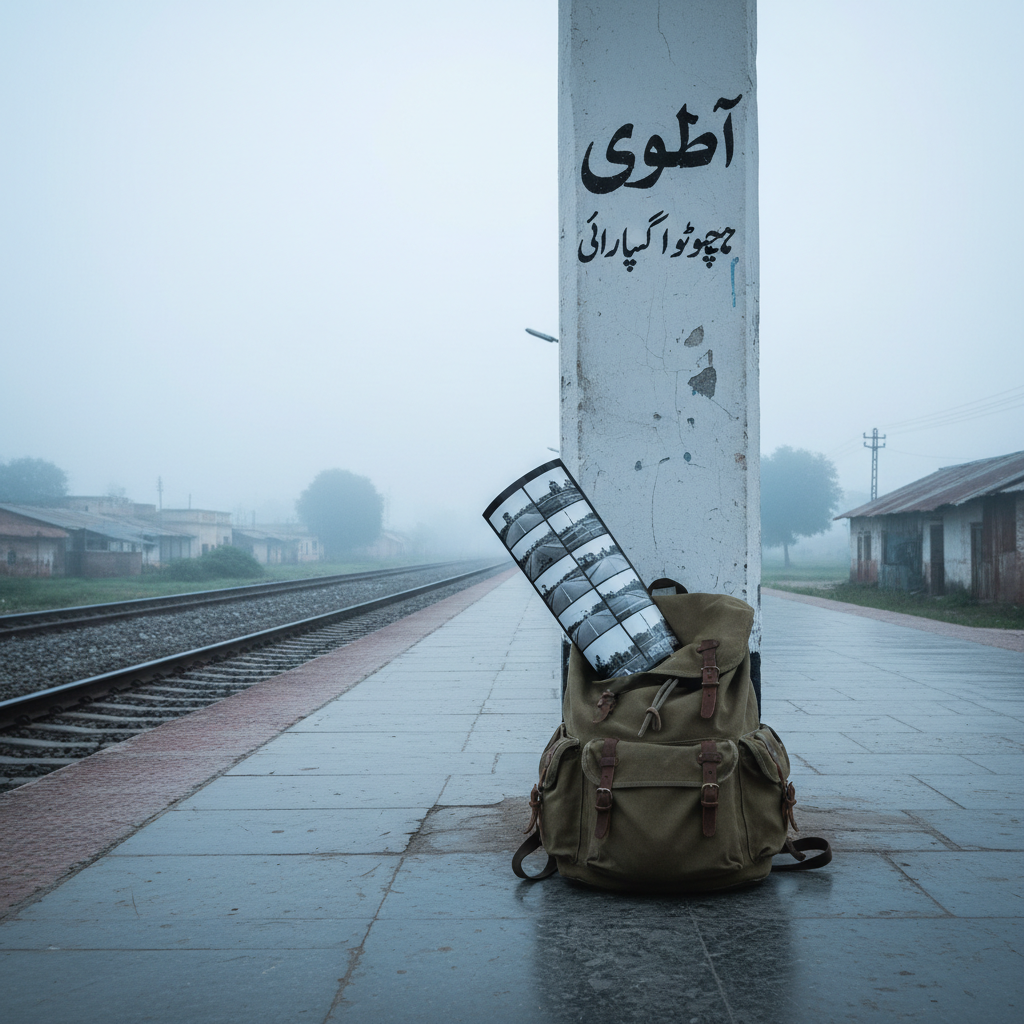
An expansive view of a quiet railway platform in rural Pakistan, entirely devoid of people, where a single, olive-green canvas backpack leans against a chipped white pillar bearing the station’s Urdu name in bold black letters. A printed contact sheet peeks from the backpack’s half-open zipper, revealing tiny, contrasty frames of farmland, highways, and government offices. Weak, early-morning fog hangs in the air, softening distant train tracks and low tin-roofed structures, while pale, cool-blue light seeps through, creating subtle reflections on the metal rails. Photographic realism with an eye-level, wide-angle composition gives a strong sense of place and distance, while gentle desaturation and restrained contrast evoke a sophisticated, introspective atmosphere of travel, observation, and quiet documentation.
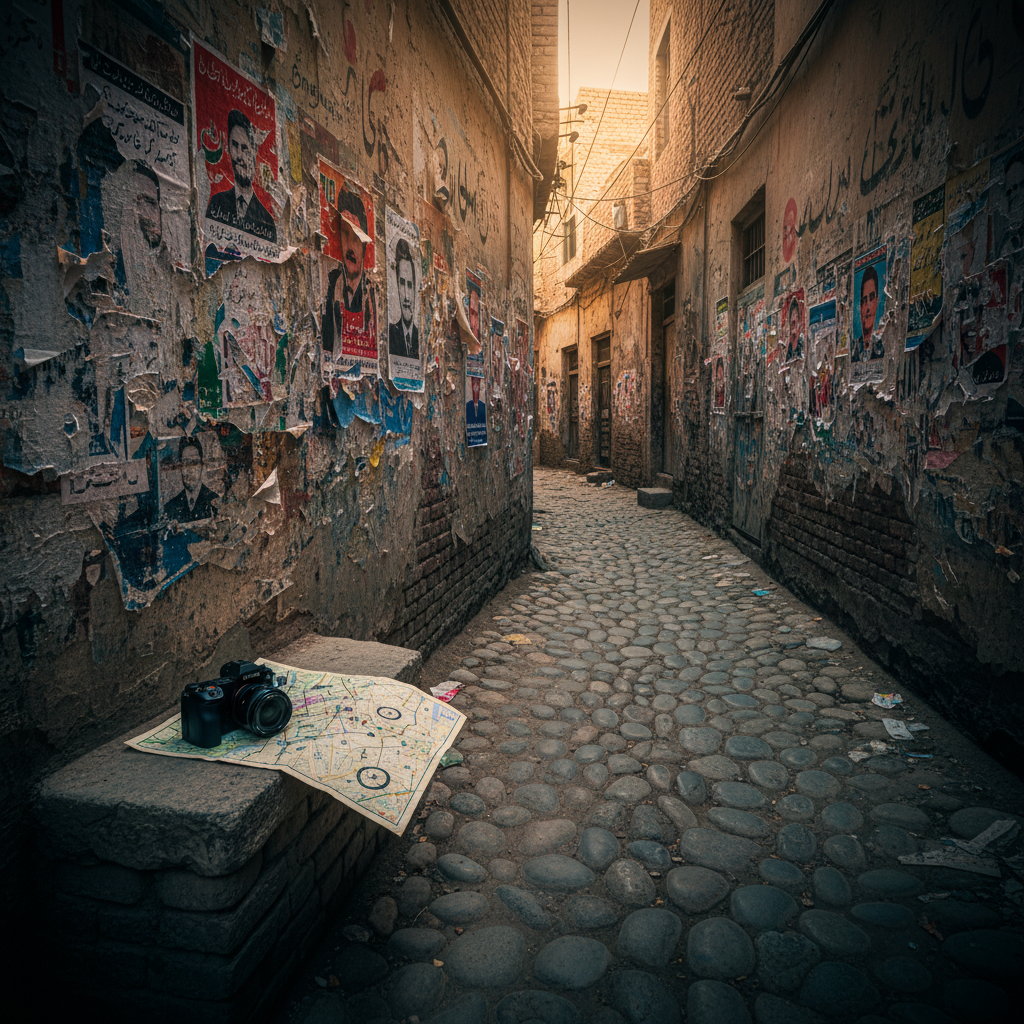
A narrow alleyway in an old Pakistani neighborhood rendered without people, where political posters, hand-painted slogans, and weathered banners cling to cracked walls in multiple layers, partially torn to reveal older messages beneath. At ground level, a single, modern mirrorless camera rests on a low stone ledge beside a folded city map marked with ink circles and arrows. Warm, late-evening light filters in from the far end of the alley, creating a gradual gradient from deep shadow in the foreground to golden glow in the distance. Photographic realism with a deep depth of field keeps the peeling textures, faded inks, and rough cobblestones crystal clear, while a rule-of-thirds composition and subtle vignetting create a contemplative, sophisticated mood about history, memory, and shifting political narratives.
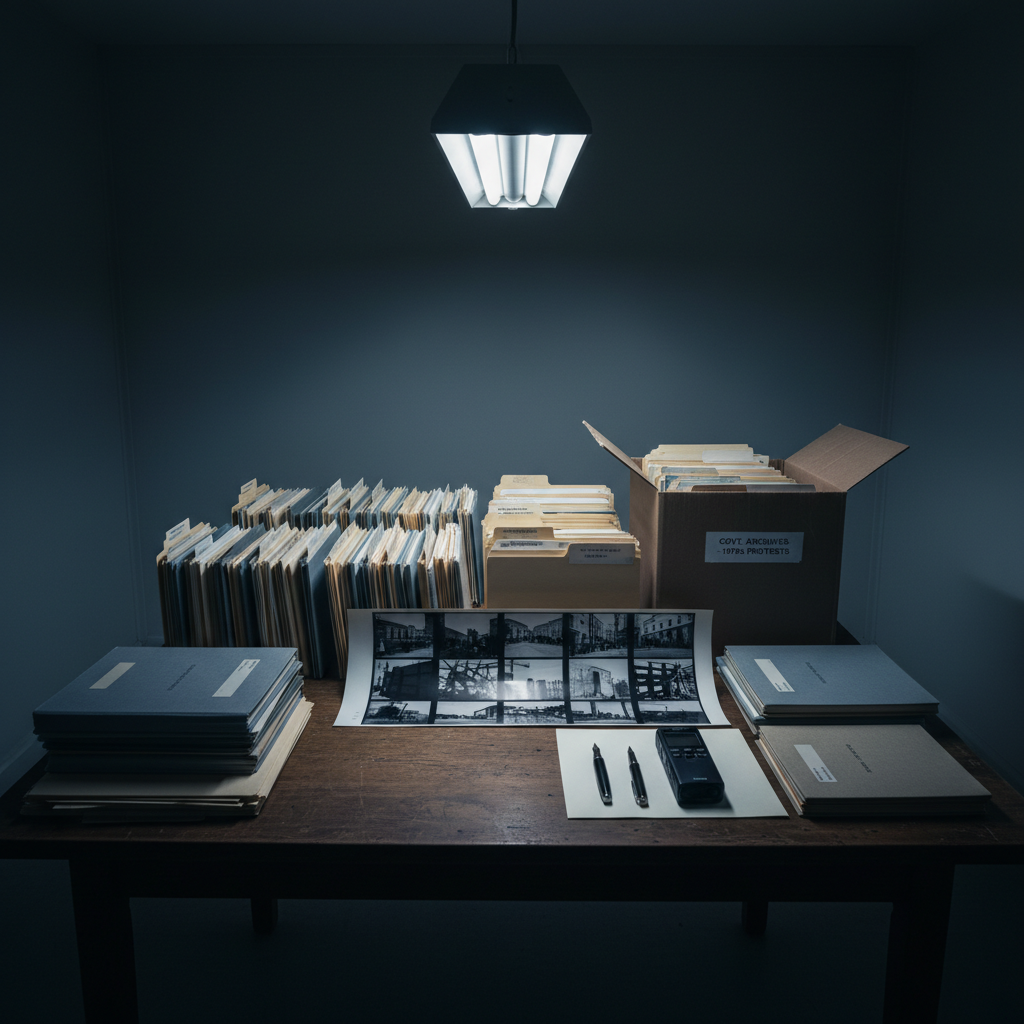
A dimly lit archival table inside a small institutional room, where rows of labeled manila folders and bound reports are stacked neatly beside a single, open document box. On the table lies an unfolded black-and-white contact print strip showing abstracted glimpses of protests, barricades, and government facades, though no people are visible. A modern digital voice recorder and a black fountain pen sit parallel to the strip, their metallic and glossy surfaces catching the light. Overhead, a solitary fluorescent fixture casts cool, clinical illumination, creating crisp shadows and emphasizing the matte textures of paper and cardboard. Photographic realism with a centered, symmetrical composition and moderate depth of field expresses a sophisticated mood of investigative rigor, political memory, and the meticulous background work behind documentary photography.
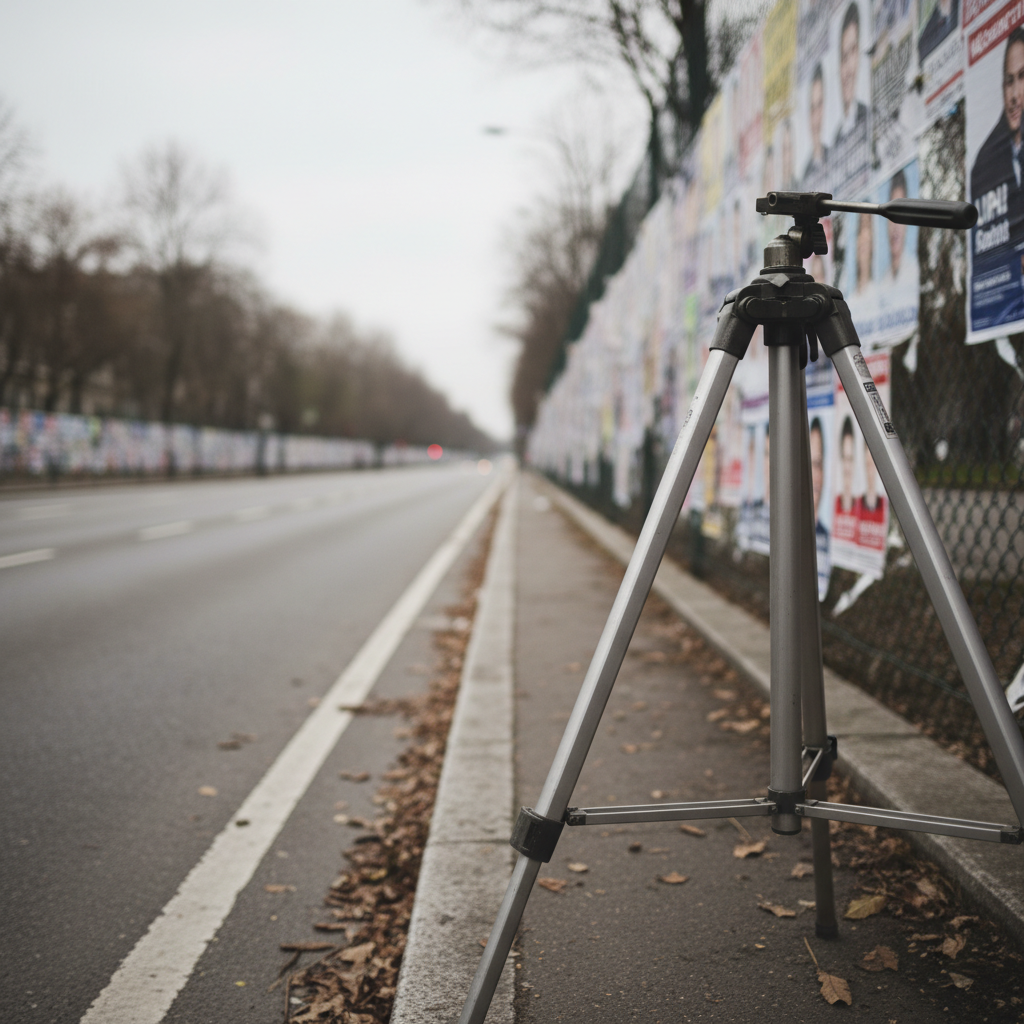
A sturdy metal tripod planted firmly at the edge of a broad, empty boulevard, its legs splayed across faded road markings and scattered dried leaves. In the near distance, a row of political campaign posters flutters on a wire fence, their colors subtly out of focus but clearly layered and overlapping, hinting at an intense election season. The scene is lit by overcast, diffused daylight, washing the environment in soft, even tones while a faint reflection glints on the tripod’s brushed aluminum joints. Shot from a slightly low angle with the tripod dominating the foreground and the street receding into soft blur, the photographic realism and restrained color palette convey a quiet yet charged atmosphere of anticipation and civic tension.

Stories

Scope

My work spans Pakistan’s cities, villages, and borderlands, tracing themes of power, resistance, faith, and everyday survival, mapping how national politics intersects with intimate, personal moments.
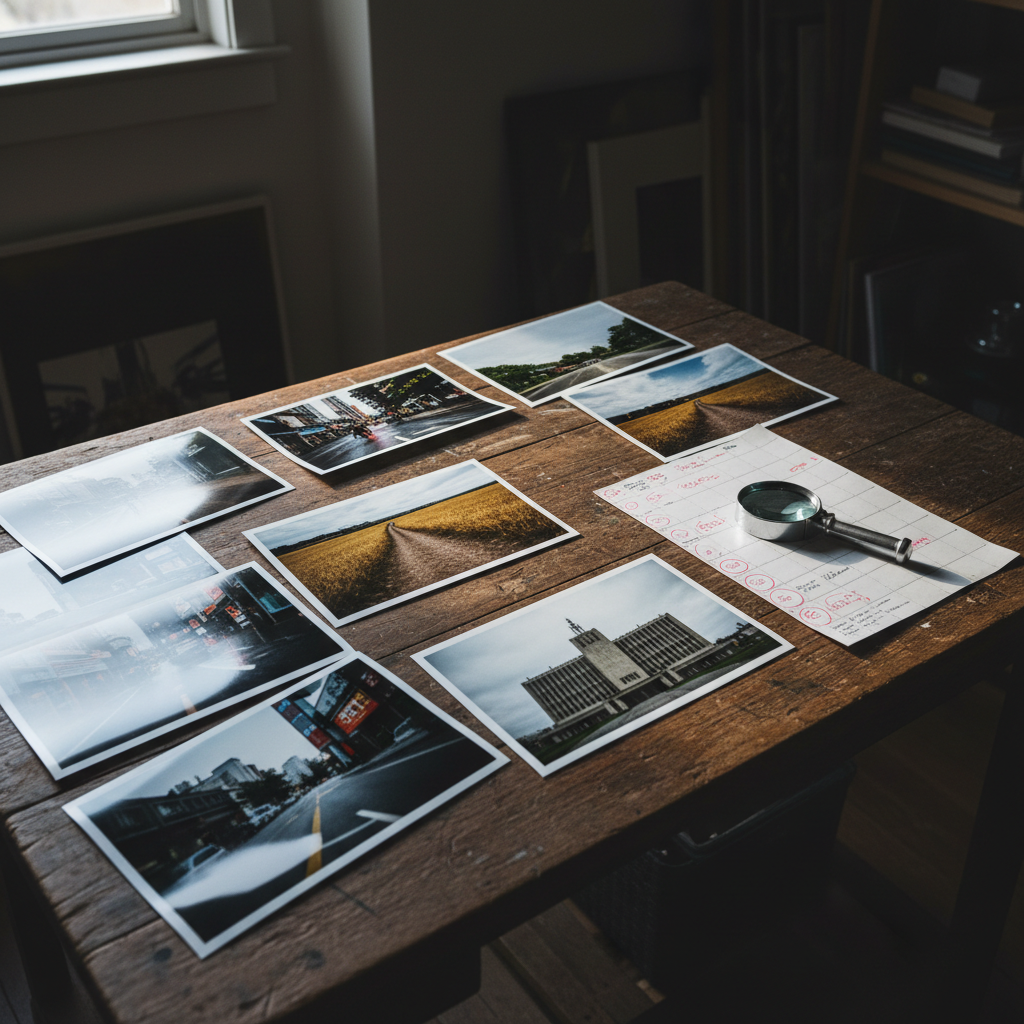
A weathered wooden desk in a modest studio space, covered with scattered 6x9 documentary photo prints depicting urban streets, rural fields, and stark government buildings, all turned face-up but partially overlapping so individual scenes are only hinted at. Beside them lies an open contact sheet marked with grease pencil circles and notes, plus a vintage magnifying loupe casting a tiny shadow. Soft, cool window light spills across the surface from the left, emphasizing the subtle sheen of the photo paper and the grain of the wood, while the rest of the room falls into gentle darkness. Captured from a high, three-quarter angle with sharp focus across the frame, this realistic, editorial-style image radiates a sophisticated sense of deliberation, narrative construction, and visual storytelling craft.